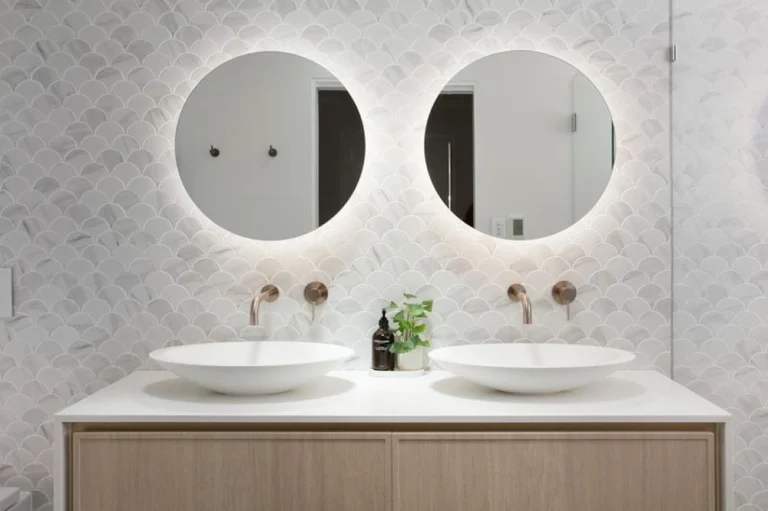
Feeling overwhelmed by the endless choices involved in renovating your home? From tiles and tapware to cabinetry, colours and finishes, knowing where to start can be one of the biggest challenges.
The secret? Start with a moodboard.
As an interior designer, one of my favourite parts of the design process is bringing ideas together to create a cohesive vision for a space.
At Bearcanvas Interiors, we use moodboards to help Brisbane homeowners visualise how colours, materials, textures and finishes will work together before committing to individual selections.
Whether you’re planning a kitchen renovation, bathroom makeover or complete home transformation, a moodboard can help you make more confident design decisions.
And the good news? You don’t need to be a professional interior designer to create one yourself.
What Is a Moodboard in Interior Design?
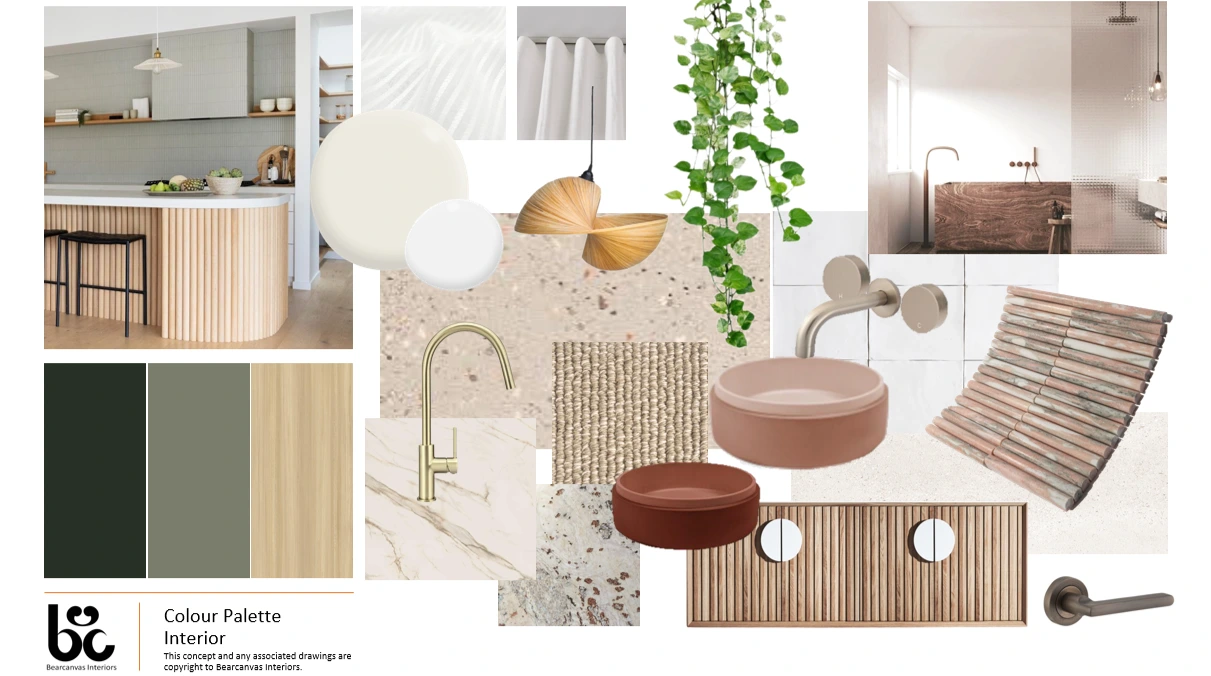
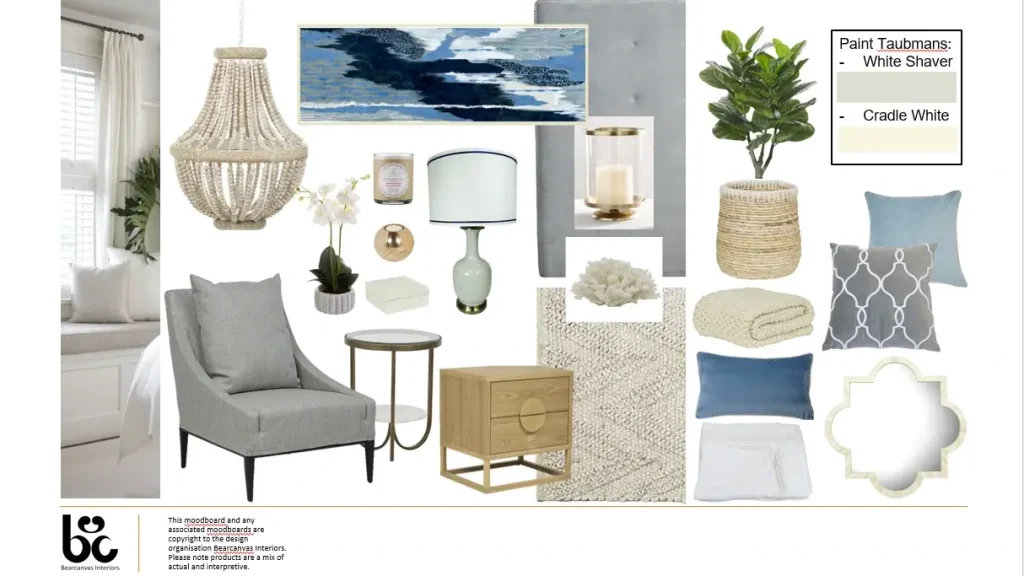
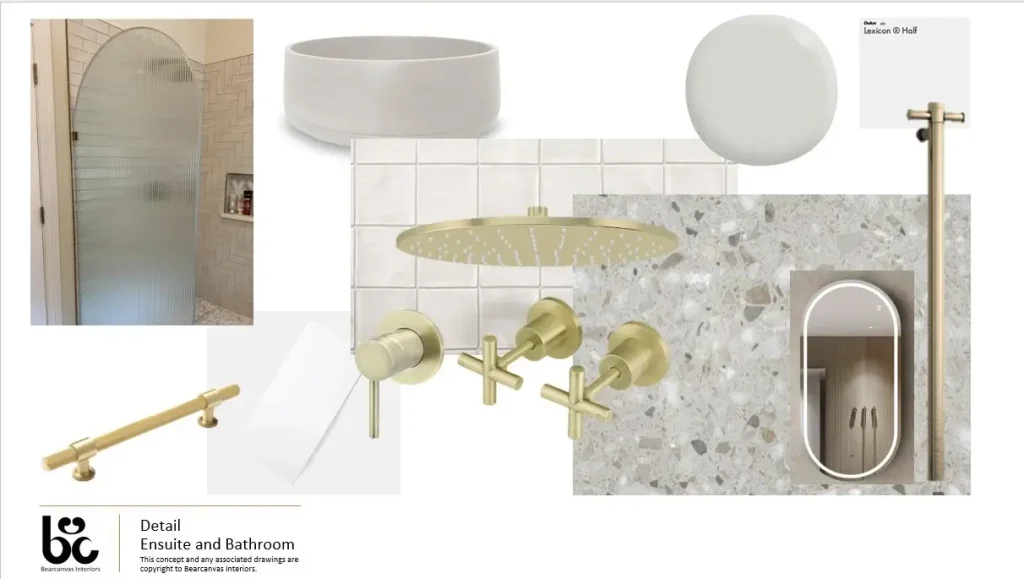
A moodboard is a visual collection of images, colours, textures, materials and finishes that communicates the overall look and feel you want to achieve in a space.
Think of it as your renovation design roadmap.
Rather than selecting individual products you love and hoping they’ll work together, a moodboard allows you to see the bigger picture and establish a clear direction for your renovation.
A renovation moodboard might include:
- Inspirational photographs of interiors you love
- Paint colours and complementary colour palettes
- Flooring, cabinetry and benchtop finishes
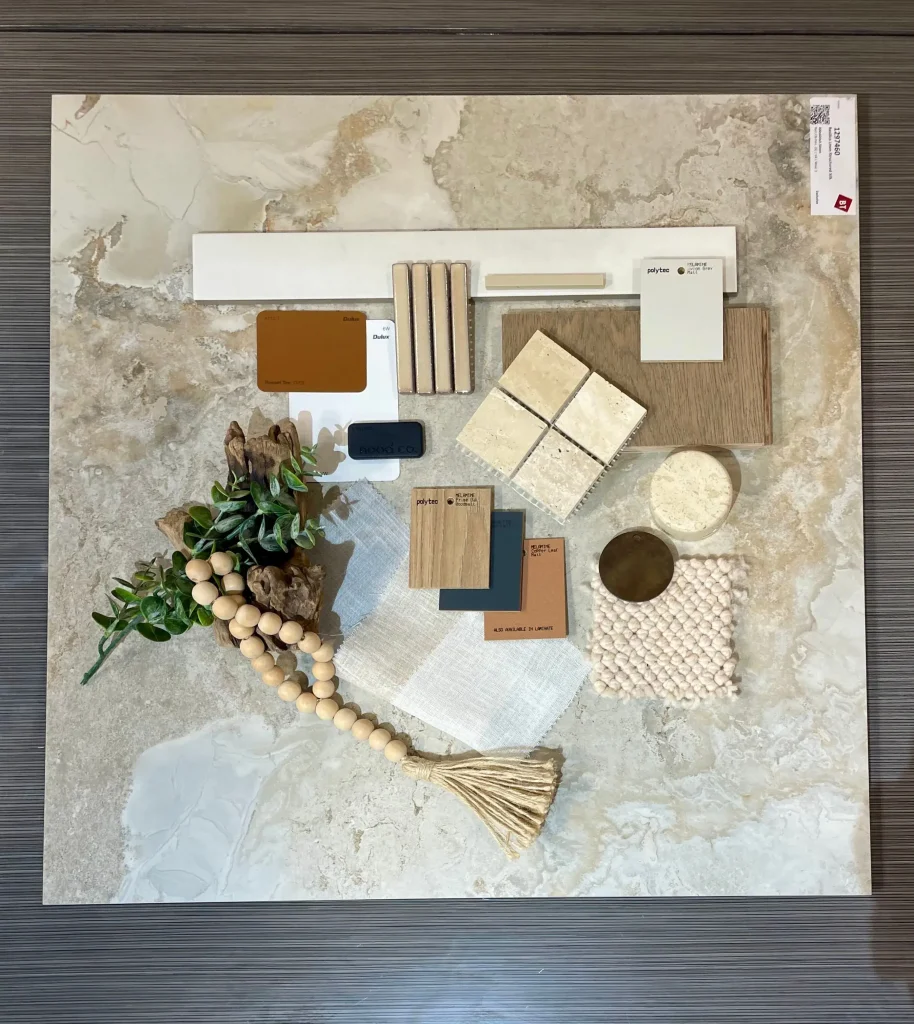
- Tiles, stone and timber samples
- Tapware, hardware and lighting finishes
- Fabric swatches and decorative textures
Why Is a Moodboard Important for a Home Renovation?
A well-planned moodboard helps you:
- Create a cohesive design: Ensure your selections complement one another rather than compete for attention.
- Avoid expensive mistakes: Identify conflicting colours, materials or finishes before purchasing.
- Communicate your vision: Share your ideas more clearly with your interior designer, builder and suppliers.
- Make decisions with confidence: Narrow down the many choices involved in renovating.
- Stay focused: Avoid being distracted by every beautiful new product you discover.
That beautiful feature tile might look perfect on its own, but will it complement your chosen benchtop, cabinetry and flooring?
A moodboard helps you consider these relationships before making purchasing decisions.
1. Start With How You Want Your Space to Feel
Before diving into Pinterest or browsing product showrooms, take a moment to consider how you want your renovated space to feel.
Are you imagining:
- A calm, relaxed bathroom retreat?
- A warm and welcoming kitchen where family and friends gather?
- A sophisticated living space with understated luxury?
- A light, natural interior that feels timeless and inviting?
Designer tip: Choose three words that capture your vision.
For example, warm, natural and timeless might inspire a palette of soft neutral colours, natural timber, textured stone and brushed metal finishes.
These three words become your reference point whenever you’re faced with a new design decision.
Consider Your Home's Existing Character
Your home’s architecture should also influence your moodboard.
A traditional Queenslander, contemporary townhouse or modern family home may each call for a different design approach.
Consider the existing architectural details, natural light, surrounding spaces and the way your family uses the home every day.
At Bearcanvas Interiors, I believe functional design comes before decorative decisions.
A beautiful room needs to work just as well as it looks.
2. Choose Your Colours and Materials
Once you’ve established your overall direction, begin building your colour and material palette.
Start With a Hero Element
Every great moodboard needs a starting point.
This might be:
- A beautiful natural stone benchtop
- A distinctive feature tile
- A favourite wallpaper
- A timber flooring finish
- A piece of furniture or artwork you love
Use this hero element as the inspiration for selecting complementary colours, textures and materials.
For example, if you’re designing a Brisbane kitchen renovation around a beautiful stone benchtop, you might draw subtle colours from the stone to guide your cabinetry, splashback and flooring selections.
Layer Different Textures
A cohesive interior doesn’t need lots of competing colours or patterns to feel interesting.
Combining materials such as timber, stone, linen, brushed metal and textured tiles can create depth and warmth.
The key is choosing finishes that complement one another while introducing enough variation to keep the space visually interesting.
Pay Attention to Colour Undertones
One of the most common interior design mistakes is overlooking colour undertones.
Whites, greys and beiges can have warm, cool or subtle underlying tones.
Two finishes might appear similar when viewed separately but look noticeably different when placed together.
For example, a warm cream cabinet finish may not sit comfortably beside a cool grey tile.
Create Contrast With Tonal Values
Be mindful of the tonal value of each colour you select.
Combining lighter and darker tones creates depth, contrast and visual interest, preventing your palette from feeling flat or one-dimensional.
A successful neutral interior often includes a thoughtful balance of light, medium and dark finishes.
Designer tip: Wherever possible, gather physical samples and view them together in your home’s natural light. Colours and finishes can look very different under showroom lighting, morning sunlight and artificial lighting.
3. Mix Patterns and Textures With Confidence
You don’t need to avoid patterns to create a timeless interior.
The trick is knowing how to balance them.
Consider the scale and visual impact of each selection.
For example, a bold patterned bathroom tile might work beautifully alongside a quieter stone benchtop and subtle timber grain.
Repeating a colour, material or finish in different areas can also help connect the overall design.
Let Your Feature Materials Shine
Not every element needs to make a statement.
Sometimes the quieter selections are what allow your standout pieces to shine.
If you’ve chosen a dramatic stone benchtop for your kitchen, you may want to pair it with simple cabinetry and understated splashback tiles.
Similarly, if your bathroom features decorative tiles, consider keeping surrounding surfaces more restrained.
And here’s an important designer tip:
Not everything beautiful belongs in the same room!
If your moodboard starts to feel busy or disjointed, step back and remove anything that doesn’t support your original vision.
A cohesive design is often as much about what you leave out as what you include.
4. Don't Forget the Practical Details
A moodboard is the beginning of your design journey, not the finished renovation plan.
Before finalising selections, it’s important to consider how your design choices will work in everyday life.
Budget
Are your preferred materials and finishes realistic for your renovation budget?
Some natural stones, custom cabinetry finishes and specialty tiles can significantly influence project costs.
Maintenance
How much ongoing care will your selected materials require?
For busy households, easy-to-clean surfaces and durable finishes may be more practical than delicate materials requiring regular maintenance.
Durability
Will your selections withstand everyday use, moisture, heat and wear?
This is particularly important in kitchens, bathrooms and high-traffic family spaces.
Product Availability
Are your chosen tiles, tapware and finishes readily available?
Long lead times or discontinued products can create unnecessary delays during renovation projects.
Functionality
Does your design support the way you actually live?
Think about storage, lighting, movement through the space, accessibility and everyday routines.
This is where professional interior design can make a real difference.
An experienced interior designer can help you navigate these decisions and ensure the finished space is not only beautiful but also cohesive, functional and achievable.
5. Bring Your Renovation Moodboard Together
Now that you’ve explored your design direction, it’s time to bring everything together.
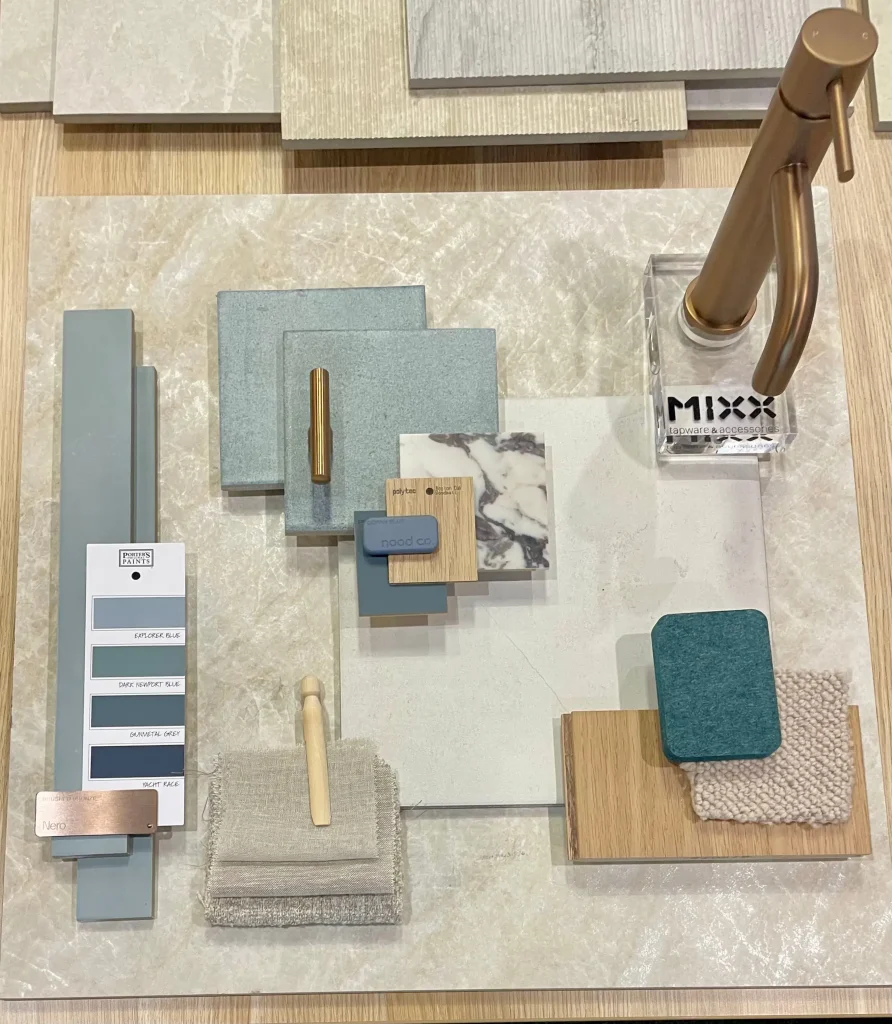
You can create a moodboard digitally using Pinterest, Canva or a simple presentation document. Alternatively, you can create a physical moodboard using actual samples.
A Simple Renovation Moodboard Checklist
Use this checklist to get started:
- Choose three words that describe how you want your space to feel.
- Collect five to ten inspirational images.
- Select a hero material or feature.
- Choose your main colour palette.
- Add complementary textures and finishes.
- Include cabinetry, flooring and benchtop inspiration.
- Consider lighting and hardware finishes.
- Review how the selections work together.
- Compare physical samples in natural light.
- Check your selections against your budget and lifestyle.
Once your moodboard is complete, ask yourself:
Does this collection feel like one cohesive space, or simply a collection of individual products I love?
If the answer is the latter, refine your selections until they work together.
Remember, your moodboard should guide your renovation, not restrict your creativity.
Common Moodboard Mistakes to Avoid
Even with the best intentions, homeowners can make mistakes when creating a renovation moodboard.
- Collecting too much inspiration: Saving hundreds of images can make it harder to identify a clear direction. Focus on a smaller collection that genuinely reflects your vision.
- Following too many trends: Trends can provide inspiration, but your home should reflect your lifestyle and personal preferences rather than what's popular this season.
- Ignoring existing finishes: If you're keeping certain flooring, windows or cabinetry, these elements need to be considered in your overall palette.
- Relying only on digital images: Colours on screens don't always accurately represent real materials. Physical samples are essential before final selections.
- Prioritising appearance over functionality: A beautiful finish isn't necessarily the right choice for every household or application.
Avoiding these mistakes will help you create a moodboard that supports a more considered and successful renovation.
Frequently Asked Questions About Renovation Moodboards
What should be included in an interior design moodboard?
An interior design moodboard should include inspirational images, a colour palette, key materials, textures and finishes. For a kitchen or bathroom renovation, you may also include cabinetry, benchtops, tiles, tapware and flooring samples.
Can I create a moodboard without an interior designer?
Yes. You can create a moodboard yourself using Pinterest, Canva, physical samples or magazine cuttings. A professional interior designer can then help refine your ideas and translate them into practical design selections and a cohesive renovation plan.
Should I create a moodboard before starting my renovation?
Ideally, yes. Creating a moodboard during the early planning stages helps establish a design direction before you begin making major product and material selections. It should work alongside your layout, functional requirements and budget planning.
What's the difference between a moodboard and a renovation design plan?
A moodboard communicates the visual direction and atmosphere of a space. A renovation design plan goes further, addressing layouts, measurements, specifications, materials, functionality and the technical details needed to deliver the project.
Can a moodboard help reduce renovation costs?
A moodboard can help reduce the risk of costly selection mistakes by allowing you to compare materials, colours and finishes before purchasing. However, it doesn’t replace detailed budgeting, accurate measurements or professional renovation planning.
Ready to Start Your Home Renovation in Brisbane?
Creating a moodboard is a wonderful way to explore your ideas and gain confidence in your design choices.
It helps turn a collection of inspiration into a clearer vision for your home.
At Bearcanvas Interiors, we help Brisbane homeowners bring that vision to life, combining thoughtful planning, beautiful materials and practical design solutions to create spaces that feel personal, timeless and functional.
With more than 30 years of design experience, our approach brings together creativity, careful consideration and an understanding of how people live in their homes.
Whether you’re planning a kitchen renovation, bathroom transformation or complete home redesign, professional guidance can help turn your ideas into a cohesive and achievable result.
Planning a renovation in Brisbane?
Contact Bearcanvas Interiors to discuss your project and discover how we can help create a home you’ll love living in.