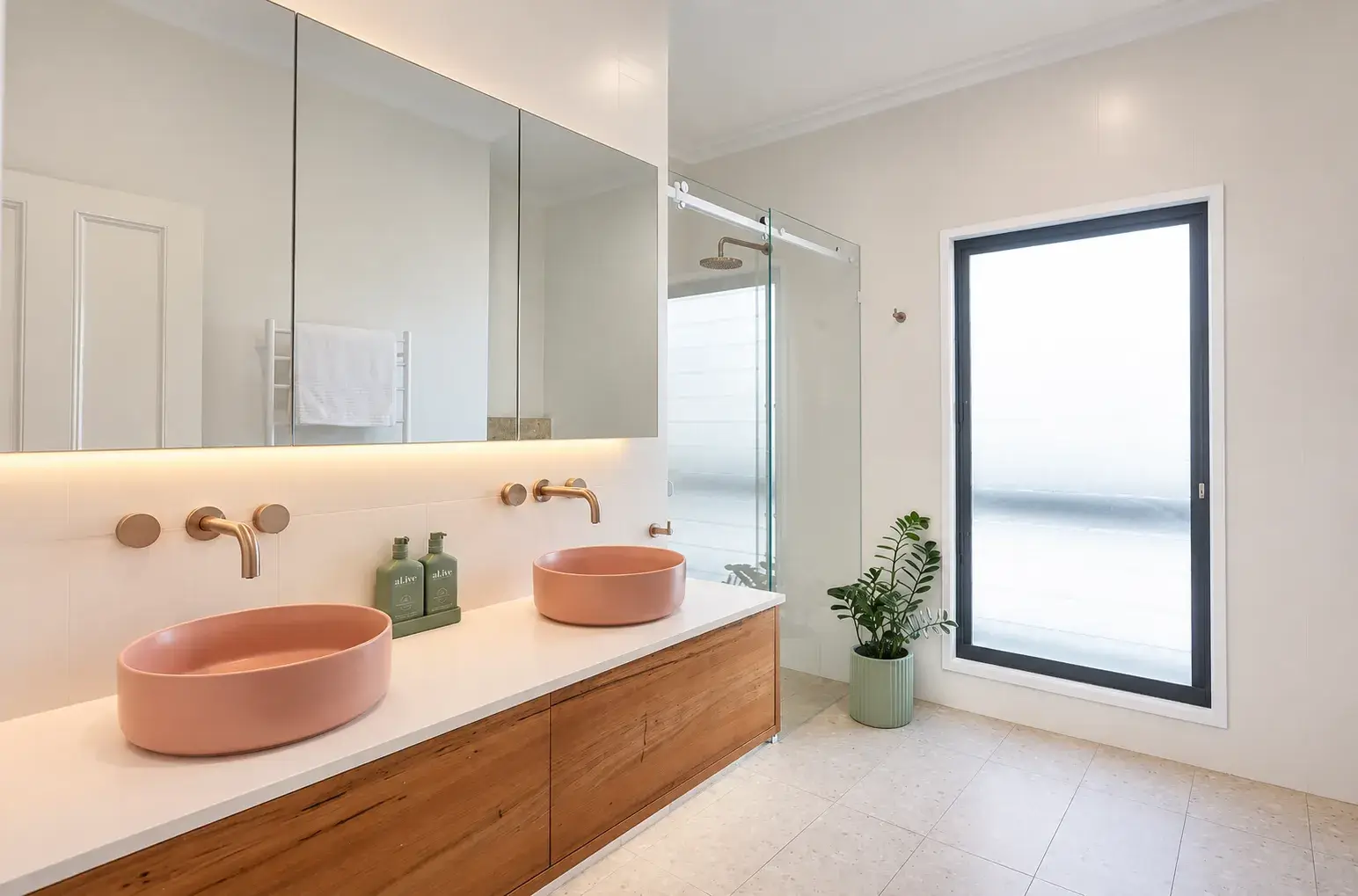
A bathroom renovation is an exciting opportunity to create a space that works better for you and your family. But without the right planning, it can quickly become stressful, expensive and take longer than expected.
Bathrooms may be one of the smaller rooms in your home, but they’re also among the most complex to renovate. Between plumbing, electrical work, waterproofing, tiling, cabinetry and coordinating multiple trades, there are plenty of decisions that need to come together.
The good news is that many common bathroom renovation mistakes can be avoided with good planning and the right advice before construction begins.
Here are some of the biggest mistakes I see homeowners make and how you can avoid them.
Mistake 1: Starting Demolition Before the Design Is Resolved
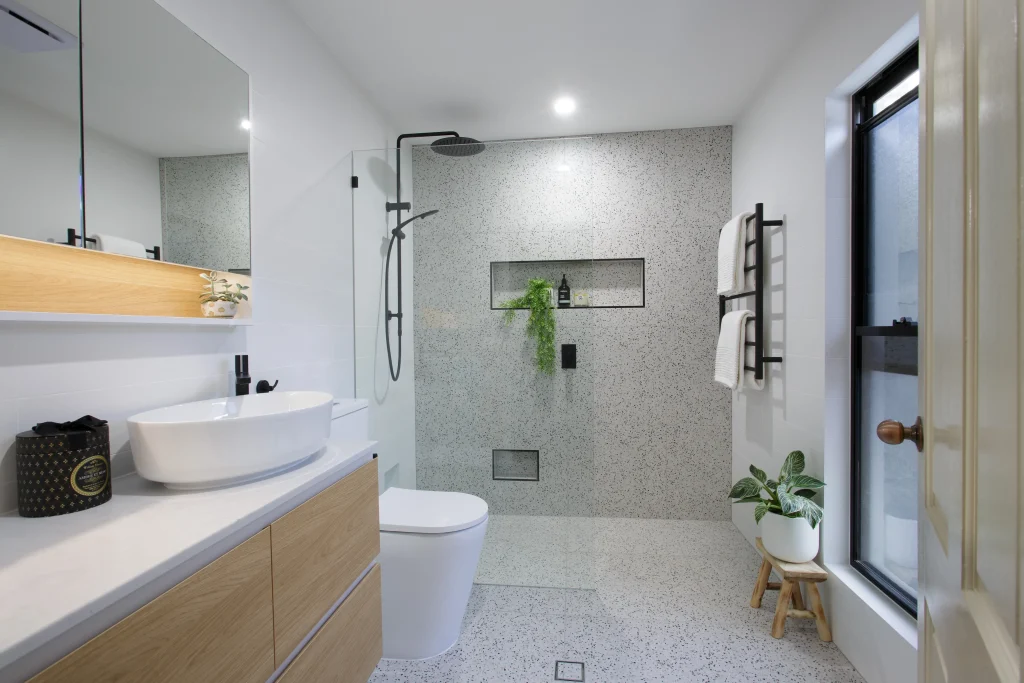
It’s tempting to get started by ripping out the old bathroom, especially when you’re excited about the transformation. But once demolition begins, the pressure is on to make decisions quickly.
One of the biggest mistakes is starting construction before the bathroom layout, fixtures and finishes have been properly considered.
Before the builder arrives, you should have a clear plan showing where your shower, bath, toilet and vanity will go, along with your tile selections, tapware, lighting, storage and other important details.
This is where detailed design drawings become so valuable.
A bathroom might look beautiful on a mood board, but will everything actually fit? Is there enough room to open the vanity drawers? Will the shower screen interfere with the toilet? Is there enough space around the bath to clean comfortably?
Floor plans and elevations help identify these issues before construction begins, when changes are much easier and less expensive to make.
My advice
Finalise as much of the design as possible before demolition. It’s far better to make changes on paper than after the plumbing has been installed or the tiles have gone down.
Mistake 2: Budgeting Only for the Things You Can See
When planning a bathroom renovation, it’s easy to focus on the exciting things like beautiful tiles, tapware, a freestanding bath or a custom vanity.
However, a significant portion of your renovation budget goes towards things you’ll never actually see once the bathroom is finished.
Demolition, waste removal, plumbing, electrical work, waterproofing, wall and floor preparation, installation and trade coordination all contribute to the final cost.
A realistic budget needs to consider the entire renovation, not just the fixtures and finishes.
Allow for the Unexpected
Renovating an existing home can uncover a few surprises, particularly in older Brisbane properties.
Once walls and floors are opened up, you might discover water damage, rotten framing, outdated plumbing, uneven floors or previous work that hasn’t been completed properly.
These issues need to be addressed before the new bathroom can be installed.
As a general guide, I recommend allowing a contingency of around 15–20% of your renovation budget, particularly if you’re renovating an older home or you’re unsure what’s behind the walls.
You may not need it all, but having that allowance gives you some breathing room if something unexpected comes up.
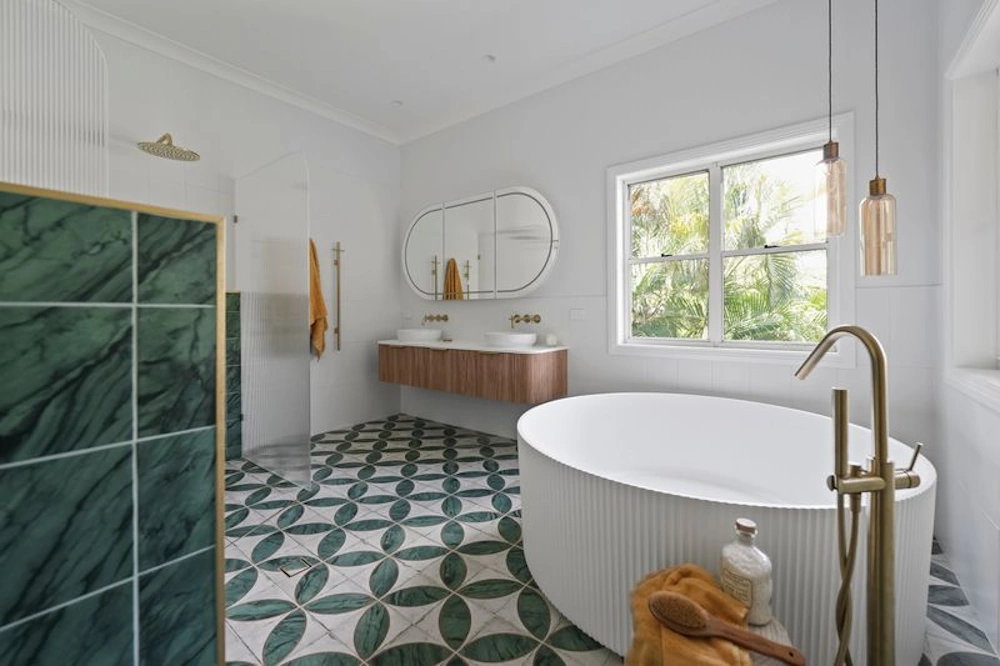
Know Where to Spend Your Money
It’s also worth deciding early which features matter most to you.
For some families, a larger shower and better storage will make the biggest difference to everyday life. For others, it might be a freestanding bath, custom vanity or beautiful feature tiles.
Once you’ve identified your priorities, it’s easier to decide where to invest and where you might be happy to compromise.
Underfloor heating, additional feature lighting or premium finishes can be lovely additions, but they shouldn’t come at the expense of essential construction work or the features that will make your bathroom function properly.
My advice
Establish your budget and priorities before you fall in love with products that may be beyond what you want to spend.
Mistake 3: Selecting Products Too Late
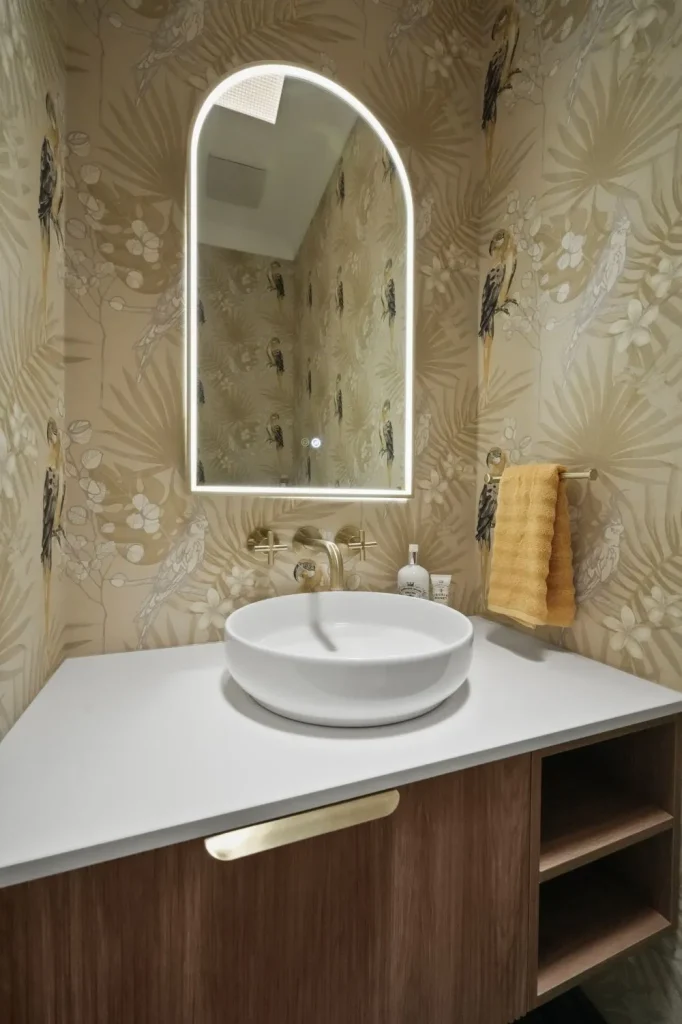
Choosing bathroom fixtures isn’t simply about finding something that looks good.
The products you select can affect plumbing locations, cabinetry dimensions, electrical requirements and how everything is installed.
For example, two toilets may look almost identical but have completely different plumbing requirements. The same applies to baths, basins, tapware and shower fittings.
Changing a product after plumbing or electrical work has been completed can result in additional costs and delays.
Ideally, your major fixtures should be selected and confirmed before the trades begin their rough-in work.
Keep Your Selections Organised
A bathroom renovation involves more product decisions than you might expect, and it’s easy to lose track of what’s been selected.
Having all your product information in one place makes life much easier for everyone involved.
This should include the product name, supplier, model number, finish, dimensions and installation details, along with information about availability and delivery.
A detailed fixtures and finishes schedule helps ensure the builder and trades are working from the correct information rather than relying on scattered emails or screenshots.
Check Availability Before Construction Starts
There’s nothing more frustrating than discovering your beautiful bath or feature tiles won’t arrive for another eight weeks when the builder is ready to install them.
Some products, particularly imported tiles, specialty tapware, custom cabinetry and shower screens, can have longer lead times.
It’s important to check availability before confirming your renovation schedule.
My advice
Choose your products early, check their lead times and make sure the relevant specifications are available to your builder before construction begins.
Mistake 4: Comparing Quotes by Price Alone
When comparing bathroom renovation quotes, it’s natural to be drawn towards the lowest price. After all, who doesn’t want to save money?
But the cheapest quote isn’t necessarily the best value.
Two builders might provide very different prices because they’re not allowing for the same work.
One quote may include demolition, waste removal, waterproofing, electrical work, painting and site cleaning, while another might exclude some of these items.
Unless you’re comparing the same scope of work, it’s difficult to know which quote represents better value.
Understand What's Included
Take the time to read each quote carefully and ask questions about anything you’re unsure of.
Pay particular attention to allowances for tiles, tapware, cabinetry and other fixtures.
If a builder has allowed $500 for a product but the one you’ve selected costs $900, you’ll need to cover the difference.
These allowances can make an initial quote appear more affordable, only for costs to increase once the actual products are chosen.
It’s equally important to understand what’s excluded. Painting, additional electrical work, structural repairs, delivery charges or unexpected damage may not be included in the original price.
Choose the Right People
Price is important, but so are experience, communication and attention to detail.
Make sure your builder holds the appropriate licence and insurance, and take the time to look at previous projects and speak with past clients where possible.
Bathroom renovations involve several trades working in a particular sequence, so good coordination is essential.
A builder who communicates well, understands the design and provides a clear scope of work can make the renovation experience much smoother.
My advice
Provide builders with the same detailed design drawings and specifications so you’re comparing quotes on a more equal basis.
Mistake 5: Making Decisions on the Spot Without Considering the Bigger Picture
Even with careful planning, there will occasionally be questions that arise during construction.
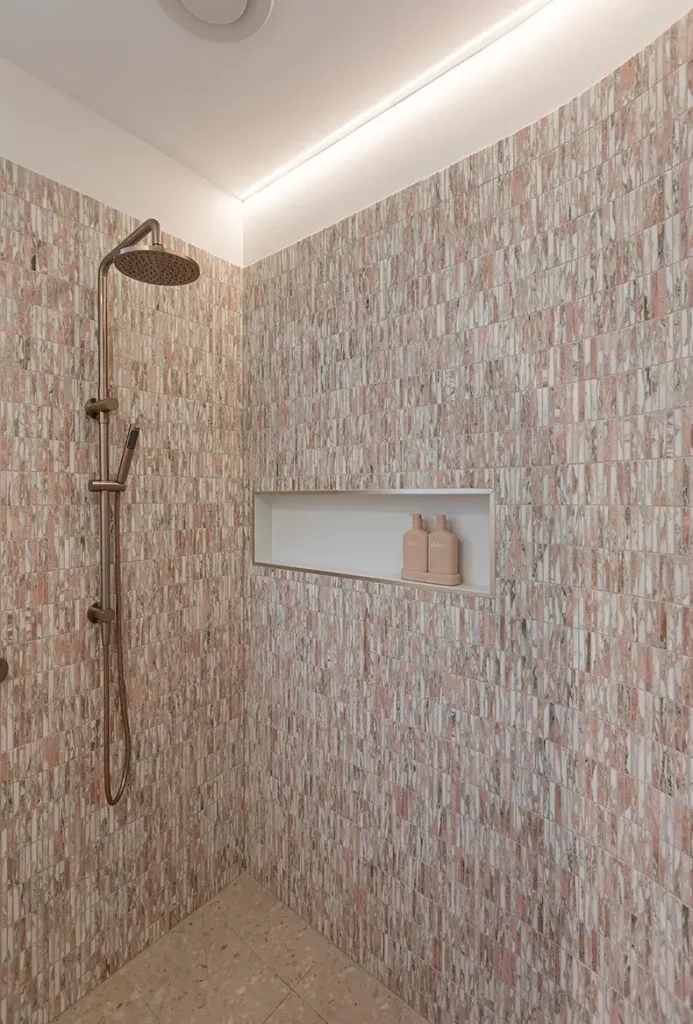
Your builder might ask where you’d like a towel rail positioned, how high a mirror should sit or exactly where a shower niche needs to go.
These might sound like simple decisions, but they can affect other elements of the bathroom.
For example, moving a basin might also change the plumbing, vanity drawers, mirror position and lighting. Even shifting a shower niche can affect the tile layout and waterproofing details.
Making these decisions quickly on site, without considering the overall design, can lead to compromises you hadn’t anticipated.
This is another reason why detailed drawings and documentation are so important.
They provide clear instructions for the trades and help reduce the number of decisions you need to make while construction is underway.
If changes are required, make sure they’re discussed with the relevant trades, documented and priced before the work proceeds.
My advice
Don’t feel pressured to make an immediate decision if you’re unsure. It’s better to take the time to understand the consequences than regret the result later.
Mistake 6: Constantly Changing Your Mind During the Renovation
With so much inspiration available through Pinterest, Instagram, showrooms and renovation programs, it’s easy to keep discovering new ideas.
And while gathering inspiration is an important part of the design process, there comes a point when you need to commit to your selections.
Changing tiles, tapware, lighting or vanity designs once everything has been coordinated and priced can have a flow-on effect throughout the project.
What seems like a small change might affect plumbing, electrical work, cabinetry or even the construction schedule.
This doesn’t mean you can’t make changes, but it’s important to understand the implications before deciding.
A well-considered bathroom design should reflect how you want the space to look, how it needs to function and what you’re comfortable spending.
Once those decisions have been made, you can move forward with greater confidence rather than constantly second-guessing your choices.
My advice
Give yourself enough time during the design stage to explore your options, then trust the decisions you’ve made.
Bathroom Renovation Control Checklist
Before work begins, check that you have:
- Approved floor plan
- Relevant elevations
- Complete fixtures and fittings schedule
- Complete finishes schedule
- Tile set-out
- Product model numbers
- Product technical information
- Product warranties
- Confirmed lead times
- Defined contractor scope
- Clear exclusions
- Realistic allowances
- Verified relevant licences and insurance
- Realistic construction timeline
- Delivery fee allowances
- Written variation process
- Milestone review points
- Final handover documentation
For a more detailed list to work through, see my Renovation Checklist.
Good Planning Makes All the Difference
A successful bathroom renovation isn’t just about choosing beautiful tiles and fixtures. It’s about creating a space that works for your family, suits your home and stays within a realistic budget.
The decisions made before construction begins can have a big impact on how smoothly the renovation runs.
By resolving the design early, understanding the full scope of work, selecting products in advance and communicating clearly with your builder, you can reduce the risk of unexpected costs and unnecessary delays.
Of course, renovations can still uncover surprises, particularly in older homes. But having a well-considered design and clear documentation puts you in a much better position to deal with them.
And ultimately, that’s what good design is about — creating a bathroom that not only looks beautiful but makes everyday life easier.
Frequently Asked Questions About Bathroom Renovation Mistakes
What is the biggest bathroom renovation mistake?
One of the biggest mistakes is beginning construction before the design and key product selections are chosen. This forces important decisions to be made under time pressure and can lead to rework, variations and delays.
How much contingency should I allow for a bathroom renovation?
As a general guide, I recommend allowing a contingency of around 15–20% of your renovation budget, particularly if you’re renovating an older home or you’re unsure what’s behind the walls.
Why do bathroom renovation budgets blow out?
Budgets can quickly creep up when things haven’t been properly planned from the start. Unexpected problems behind walls, changes to product selections, missing items in the builder’s quote and decisions made once construction has started can all add to the cost.
How can I prevent delays during a bathroom renovation?
Good planning makes all the difference. Finalise your design early, choose your key fixtures and finishes before work begins, check product availability and make sure your builder and trades have the drawings and information they need.
Should I buy bathroom fixtures before construction starts?
It’s a good idea to have your main fixtures selected before construction begins. Items such as baths, toilets, basins and tapware can have specific plumbing and installation requirements, so knowing exactly what you’re using helps avoid problems later. It’s also important to check delivery times so products are available when the builder needs them.
How should I compare bathroom renovation quotes?
Don’t automatically go with the cheapest quote. Take the time to check what’s included, what’s excluded and whether allowances for fixtures and finishes are realistic. Make sure you’re comparing the same scope of work and that you’re comfortable with the builder’s experience, communication and approach to variations.
Why are bathroom renovation variations expensive?
Even a small change can have a flow-on effect. Moving a basin or changing a shower layout, for example, might mean adjustments to plumbing, electrical work, cabinetry or tiling. The later a change is made, the more likely it is to cost extra and cause delays.
What should be finalised before bathroom demolition?
Ideally, you should have your layout, main fixtures, plumbing positions, cabinetry, tile selections, lighting, power and ventilation worked out before demolition begins. Having these decisions documented gives your builder and trades a clear plan to work from.
Next Step
Planning a Bathroom Renovation in Brisbane?
At Bearcanvas Interiors, I help homeowners turn their bathroom ideas into practical, personalised designs that consider how the space will look, function and be built.
From getting the layout right to selecting fixtures, finishes and preparing detailed documentation, my aim is to help you make confident decisions before construction begins.